
Free podiatric screenings will be given to “five or six hundred Special Olympics Athletes” this week
Written By: Callum Denault, Special Olympics Canada Athlete and Staff Member
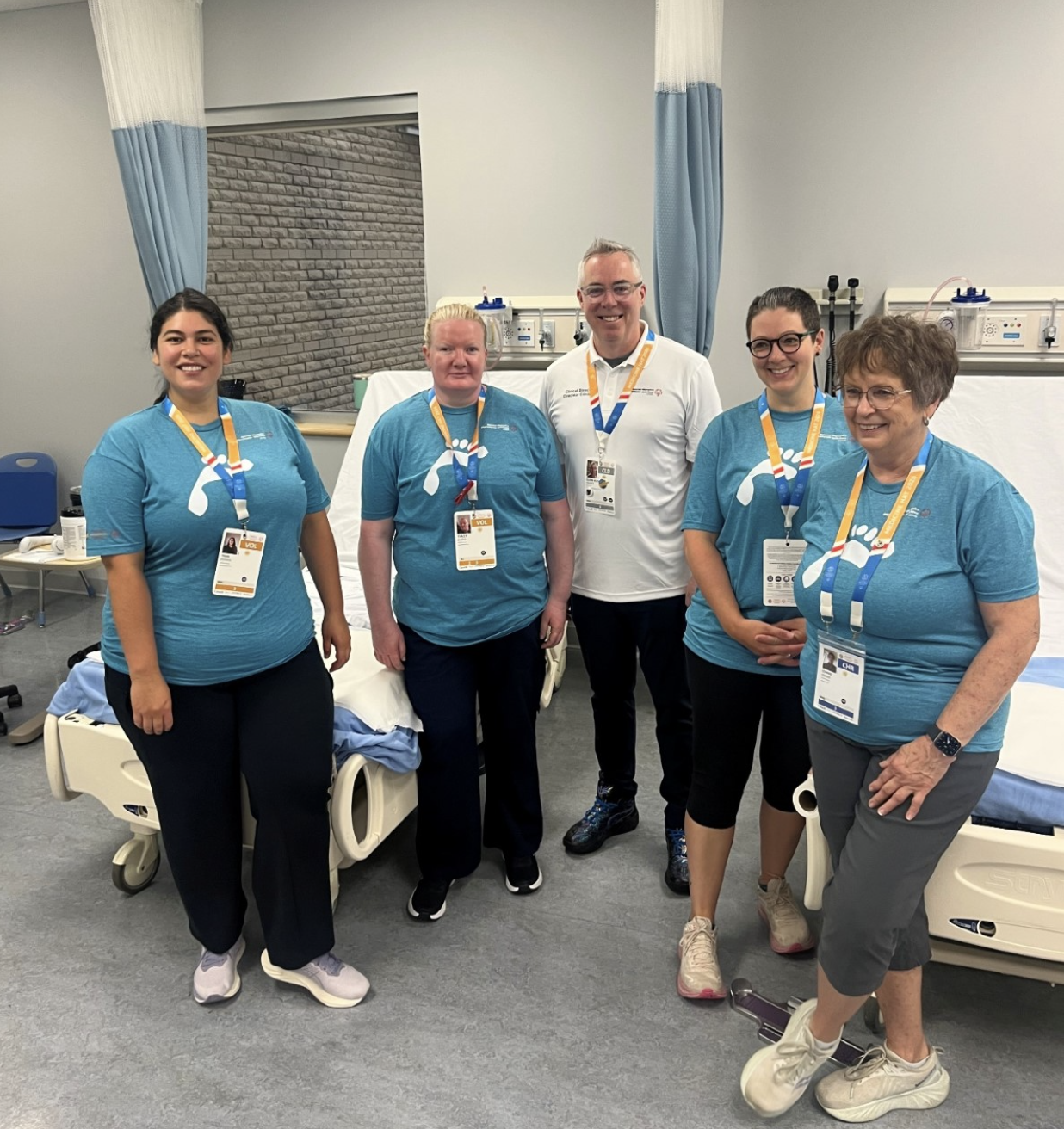
Montreal Doctor of Podiatry, Glenn Herbert, said his team is aiming to see 500-600 athletes with intellectual and developmental disabilities (IDD) over the course of three days during the Special Olympics Canada Summer Games in Medicine Hat, Alberta. Spending over half of his 30 years in the medical industry volunteering with Special Olympics, Glenn found people with IDDs suffer from a higher-than-average rate of foot-related pathologies, due to both preventable causes and genetic factors.
“Surprisingly,” said the doctor, “with some of the pathologies we [at Fit Feet] screen for, it’s the first time someone has mentioned the impact of that pathology. The first time someone even suggested to the athlete it should be treated.”
The owner of two podiatry clinics, Glenn also works in the diabetes section of a Montreal hospital, lending his expertise to deal with the foot-related problems caused by different types of diabetes. 20 years ago, Dr. Glenn learned one of his clinic’s nurses was raising a child who participated in Special Olympics. That nurse’s family opened Glenn’s eyes to a whole community of vulnerable people lacking access to life-altering services, and he decided to use his skillset to help rectify this inequity.
“Her daughter was an alpine skier,” he recalled, “and eventually became my patient.”
Divided into three parts, the Fit Feet volunteers first measure an athlete’s foot size, comparing it to their shoes to make sure they match. The impact of wearing an incorrectly sized shoe is one of many things that Glenn described as having long-term effects: while it might not immediately be terrible, continuing to wear ill-fitting shoes can lead to many small issues that snowball into a couple of big problems.
Secondly, Fit Feet clinicians look at an athlete’s feet themselves, checking for both preventable issues caused by poor hygiene—such as fungal infections and ingrown toenails—as well as structural issues such as bunions, hammer toes, and arch deformities. Glenn added that while bone structure deformities cannot be removed without surgery, there are many ways to compensate for the problems these pathologies cause, as well as prevent them from getting worse.
Finally, Fit Feet clinicians analyze the posture and walking gait of their athletes. Glenn compared the human foot to the wheels of a car: if the tires are worn out or the suspension doesn’t work, then the entire vehicle starts to break down.
“The foot has many functions,” he added, “one of the main ones is it’s a shock absorber. The foot is a spring […] in flatter foot arches that spring is stretched to its maximum. The force gets transferred upstream, ankle, knees, hip and back.”
He added that people with higher-than-average foot arches have the same issues with shock absorption. In both cases, orthopaedic prescriptions can be inserted directly into someone’s shoe to assist their feet in walking, running, and other shock-heavy activities. More rarely, an entirely customized shoe can be prescribed to the person to do something similar. While a quick internet search can refer someone to a service with the orthopaedic technologies they may need, many do not know where to start.
Like many health disciplines, people with intellectual and developmental disabilities frequently lack access to medical services that can accommodate their special needs. Additionally, they may have simply never met someone who has the patience and communication skills to give them the tools they need to take care of their own bodies. Glenn found that many of the athletes he sees at Fit Feet either go to his clinic later on or refer other people they know with intellectual and developmental disabilities to him. Much like that nurse’s daughter that he met close to 20 years ago, Glenn is now able to offer treatments to Canadians in need who may have not had many other options.
“We’re always looking for sponsors and donations,” Glenn added about the Special Olympics Fit Feet program, “donations are often transient, that’s just the nature of the beast and business.”
“But those sponsors, what they offer—whether it be donations, materials, or time and effort—they help hundreds of athletes.”