
Empowering Health and Well-Being: A Special Olympics Canada & CAMH Collaboration
Special Olympics Canada has teamed up with the Centre for Addiction and Mental Health (CAMH) to help improve the health and well-being of individuals with intellectual and/or developmental disabilities (IDD). This collaboration focuses on creating accessible health resources for athletes, families, and coaches, ensuring that important health information is shared in a way that’s easy to understand and use.
This initiative seeks to bridge the gap between research findings and the people who need them most, empowering Special Olympics athletes and the community to lead healthier, more informed lives.
What Have We Done?
Together with CAMH, we’ve developed a series of knowledge products on five key health topics: Men’s Health, Women’s Health, Health Check-ins, Mindfulness, and Sleep. These resources are designed to be engaging, accessible, and tailored to different audiences, including athletes, families, and coaches.
Each topic includes five different types of resources:
- Easy-Reads: Athlete-friendly tip sheets in simple language with visuals to make health information easier to understand. (Available in English and French)
- Family Snapshots: Concise two-page tip sheets that provide practical advice and resources for families/caregivers to support their athlete’s health. (Available in English and French)
- Coaches Corner: Quick-reference guides for coaches to help promote athlete health and offer useful links to additional resources. (Available in English and French)
- Animated Videos: Dynamic visual and audio versions of Easy-Reads, highlighting key health messages in an engaging way. (Available in English and French)
- Podcasts: Engaging discussions hosted by Special Olympics athletes, featuring interviews with researchers, clinicians, athletes, coaches, and caregivers.
Additionally, we've created a podcast and easy-reads on diabetes in both English and French, offering insights into managing and understanding diabetes within the Special Olympics community.
Explore Our Health Topics
-
Men's Health Resources
Men's health is about both physical and mental well-being. Resources explore managing stress, avoiding mental fatigue, and recognizing when to seek help.
-
Women's Health Resources
From breast health to menstrual well-being, these resources provide important tips for staying healthy and active. Learn how to manage discomfort and talk to a healthcare professional about concerns.
-
Health Check-In Resources
Routine health check-ups are crucial for overall well-being. Learn how to prepare for appointments and make the most out of each visit.
-
Mindfulness Resources
Mindfulness improves focus, reduces stress, and strengthens the mind-body connection. Explore how athletes can incorporate mindfulness into their training and daily life.
-
Sleep Health Resources
Good sleep is vital for health and performance. These resources offer simple tips for improving sleep habits, enhancing recovery, and boosting athletic performance.
-
Diabetes Resources
Physical activity, like participating in Special Olympics, can help prevent and manage diabetes. Learn more about how staying active supports overall health.
Working Together as a Team
This project is the result of a collaborative effort between researchers, clinicians, Special Olympics athletes, coaches, and family caregivers from across Canada. We co-developed all knowledge products through direct engagement with the Special Olympics community, attending the Special Olympics National Games in Calgary and the Special Olympics Provincial Games in Waterloo, Ontario. These events helped us understand the most pressing health topics and how the community prefers to receive information.
What We Hope to Learn
Through this initiative, we aim to learn how to best share health information with the Special Olympics community. By tracking engagement through video views, document downloads, and clicks, we will understand what formats are most engaging, how people prefer to receive health information, and what methods work best to reach our audience. Please reach out to Victoria Formusa, Special Olympics Canada Health Manager, at vformusa@specialolympics.ca if you want to provide any feedback on whether the resources were helpful, or if you have any questions. These insights will guide future efforts to share valuable health information with the Special Olympics community and beyond.
To explore all the resources, please visit the H-CARDD website for further details:
Meet the CAMH Researchers
Dr. Avra Selick
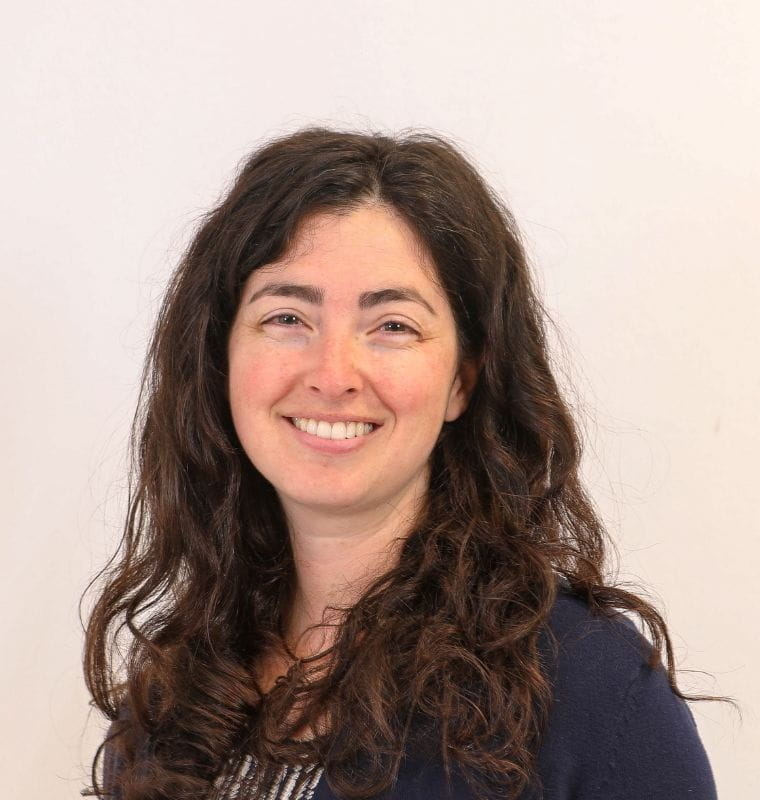
With over a decade of experience as a researcher in the field of intellectual disability and developmental disabilities (IDD), Dr. Avra Selick joined this project to address an issue she has observed in her field for quite some time. Specifically, Avra believes that while medical researchers do a good job of learning about the various hardships, goals, and other characteristics of people with IDD, they do not share this information with the general public.
“[People with intellectual and developmental disabilities] sometimes experience negative health outcomes,” Avra said, “to a large extent. They need more supportive healthcare.”
Working on a joint committee comprising various clinicians, researchers, and individuals with IDD—as well as neurotypical allies such as parents, caretakers, and Special Olympics coaches—Avra said one important lesson she learned was identifying the topics that matter most to the community. The committee found that healthcare for men and women, sleep, mindfulness, diabetes, and access to a family doctor were all important issues that people with intellectual and developmental disabilities wanted to learn more about for their own well-being.
Avra added that her team is exploring a variety of ways to share their findings, based on the different communication preferences people have. Currently, they are investigating the effectiveness of popular social media compared to spreading information through word of mouth and small community gatherings.
Avra shares an important message to the healthcare and research community: “An important takeaway from this project as researchers and healthcare providers, is that we have to do better, that we do not always do the best job at sharing the research with the people who really need it. We are doing this research because we want to really help people with intellectual disabilities and their families [live] better lives.”
Dr. Yona Lunsky
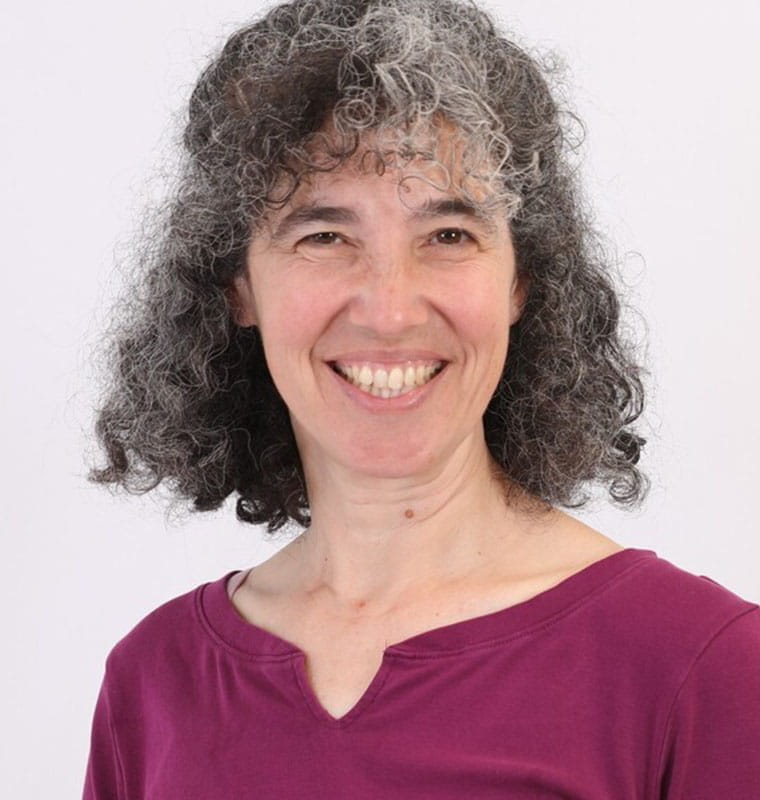
Dr. Yona Lunsky comes to this project with deep roots in Special Olympics, both professionally and personally.
“I’m the sister of someone who many years ago was an SO athlete,” Yona said, “who did bocce, swimming, and bowling.”
Echoing what her colleague Avra said, Yona is passionate about this project because it does something many past efforts in the field of intellectual and developmental disabilities (IDD) have not: it shares its findings with the very people it aims to help. She also enjoys working with people who have an IDD and getting to know their perspective, describing it as “a real privilege.”
This inclusive collaboration helped the team make new discoveries and improve how they share their research with the world. Yona said there is often an assumption that someone who can read also likes to read, or conversely, that someone who is unable to read should not be given anything with words on it.
“We can’t assume,” Yona said, “[everyone] is going to tell us what they like, or how they want to receive information.”
While it may take a few different communication approaches before one resonates, Yona is hopeful that her team will be able to spread their findings to the IDD community in a meaningful way. Primarily, she feels encouraged by the open-minded and diverse team she has had the pleasure of working with.
As the Scientific Director of the Azrieli Adult Neurodevelopmental Centre and Director of the Health Care Access Research and Developmental Disabilities Program (H-CARDD) at the Centre for Addiction and Mental Health (CAMH), Yona would like all to know:
“Everybody has the right to information about how to make their health better. Even if you are not ready to make big changes, having the right information is really important.”