
National Day for Truth and Reconciliation 2026
September 30th marks Canada’s National Day for Truth and Reconciliation.
On this day, we recognize the painful history of the residential school system and the deep, lasting harm it has caused Indigenous communities. It’s a time to forward our reconciliation efforts to build a better future for all Canadians.
Reconciliation is the process of healing relationships between Indigenous and non-Indigenous Canadians, which requires public truth sharing and commemoration that acknowledges and amends past and present harms.
We all have a role to play in the ongoing commitment to Truth and Reconciliation. Special Olympics Canada encourages all athletes, coaches, volunteers, staff and supporters in our community to honour the National Day for Truth and Reconciliation, whether through personal reflection or education and awareness activities.
Orange Shirt Day
Both the National Day for Truth and Reconciliation and Orange Shirt Day take place on September 30.
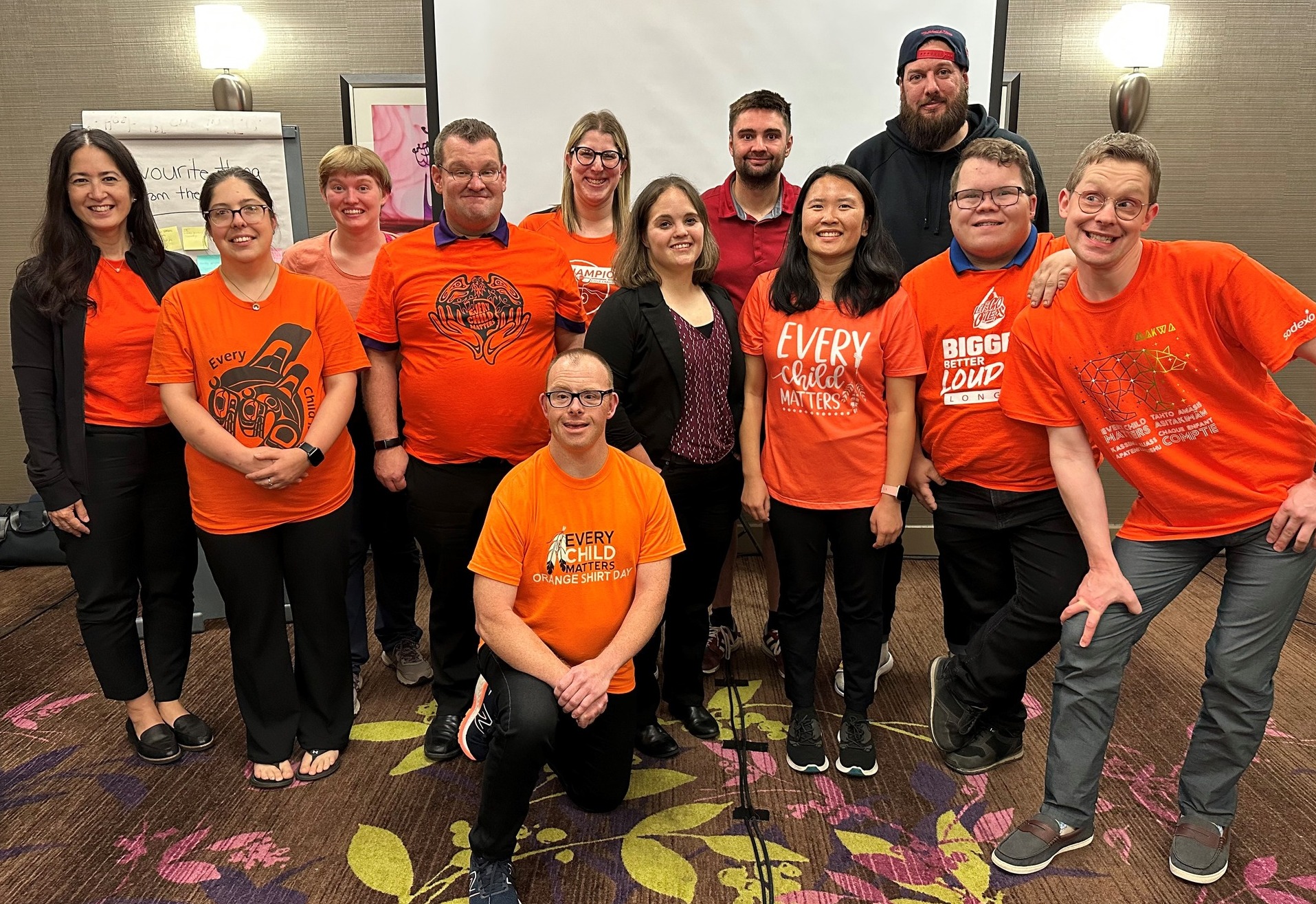
Orange Shirt Day is an Indigenous-led grassroots commemorative day intended to raise awareness of the individual, family and community inter-generational impacts of residential schools, and to promote the concept of “Every Child Matters”. The orange shirt is a symbol of the stripping away of culture, freedom and self-esteem experienced by Indigenous children over generations. This day relates to the experience of Phyllis Webstad, a Northern Secwpemc (Shuswap) from the Stswecem'c Xgat'tem First Nation, on her first day of school, where she arrived dressed in a new orange shirt, which was taken from her.
On September 30, we encourage all Canadians to wear orange to raise awareness of the tragic legacy of residential schools, and to honour the thousands of Survivors.
Special Olympics Canada’s Commitment to Indigenous Inclusion and Partnership
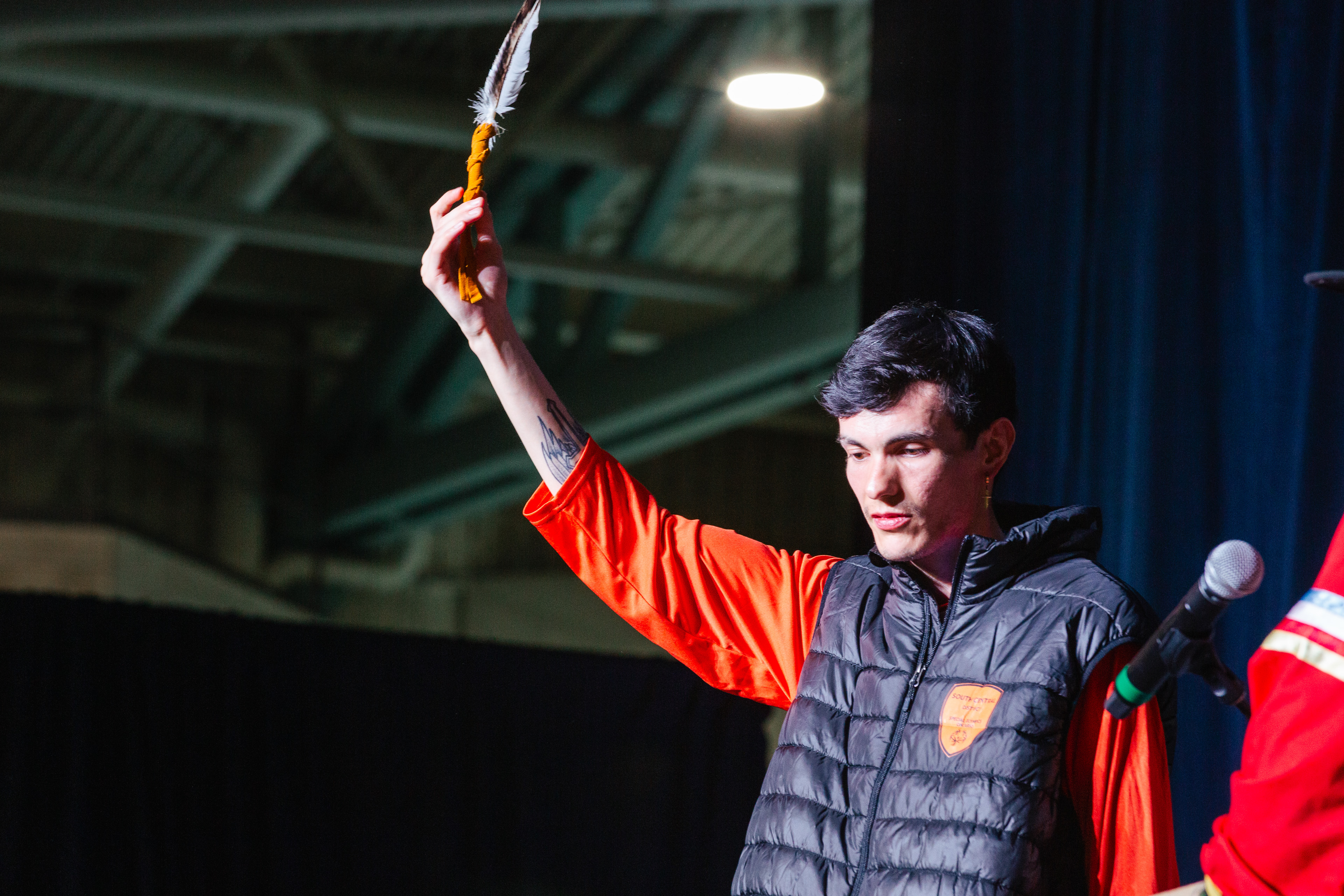
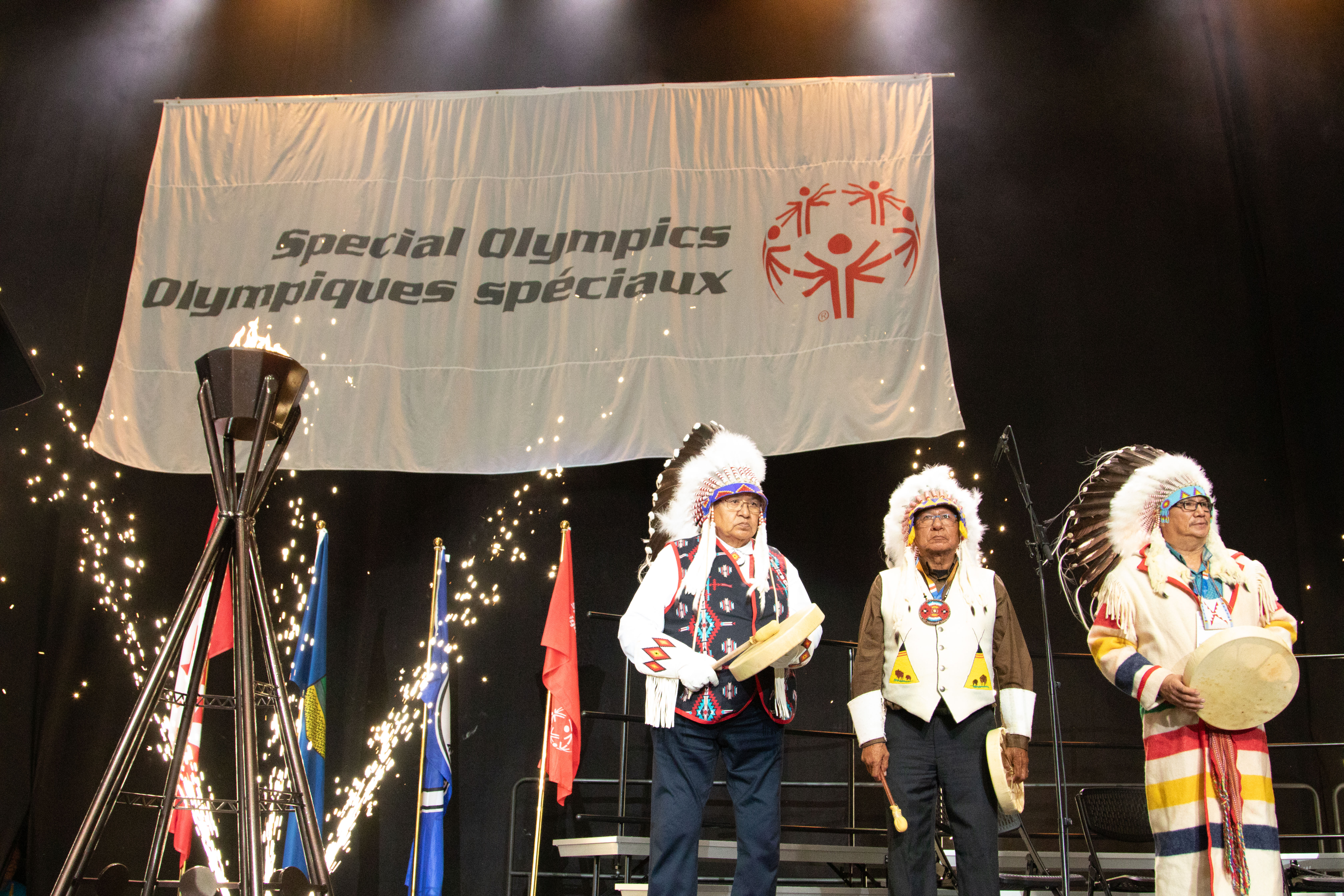
At Special Olympics Canada, we recognize the importance of building meaningful, respectful and enduring relationships with First Nations, Inuit and Métis communities across Canada.
Our mission is to create an inclusive environment where everyone has the opportunity to participate in and experience the transformative power and joy of sport. Over the past several years, we have taken intentional steps to strengthen Indigenous inclusion across our organization through relationship-building, training and education, resource development, and collaboration with Indigenous leaders, organizations, athletes, families and communities.
We recognize that this work is ongoing, and we are immensely grateful to the Indigenous organizations and individuals who have shared their knowledge and support with us along the way. Their guidance has helped deepen our understanding of the ongoing impacts of colonization and residential schools in Canada, and of the responsibility we have to contribute meaningfully to reconciliation through our work.
We are proud of the steps we have taken while recognizing there is still much to learn and more work ahead. We remain committed to listening, learning and investing in this work for the long term, guided by the voices, knowledge and experiences of Indigenous partners, athletes, families and communities across the country.
Introduction to the Resource Hub
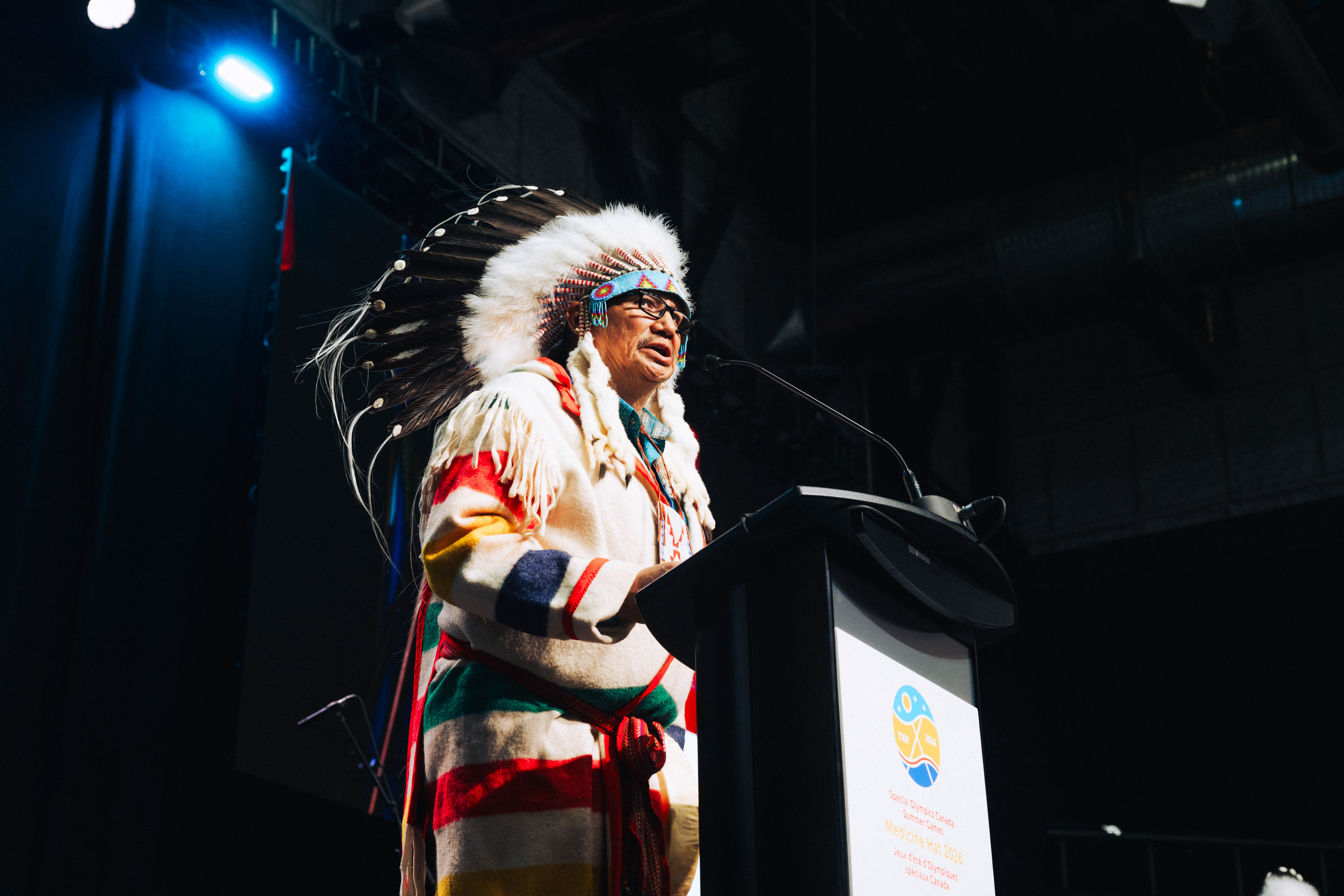
The SOC Indigenous Inclusion Resources have been developed through engagement and support of an Indigenous Inclusion Advisory Committee which is comprised of Indigenous leaders and Special Olympics leaders from across Turtle Island.
These resources were created as part of Special Olympics Canada's broader commitment to strengthening Indigenous inclusion across our organization and programs. They reflect the learning, relationships, and collaboration that have helped shape our journey to date and are intended to support Chapters and community programs in beginning or continuing their own work in this space.
We believe these resources are living documents. They are not intended to provide all the answers, nor to replace local relationships and community guidance. Rather, they are tools to support learning, reflection, and action as we continue to grow our understanding and strengthen our approach to Indigenous inclusion and reconciliation.
We encourage everyone to approach these resources with curiosity, humility, and openness. Building meaningful relationships takes time, and local Indigenous leaders, organizations, and communities are the best guides for understanding community-specific contexts, priorities, and protocols. Special Olympics Canada also encourages ongoing learning beyond these resources. Through continued education, engagement, and relationship-building, we can work together to create sport environments where Indigenous participants feel welcomed, respected, valued, and able to fully belong.