
Special Olympics Fills Gaps in Canadian Healthcare, says Saskatchewan Doctor
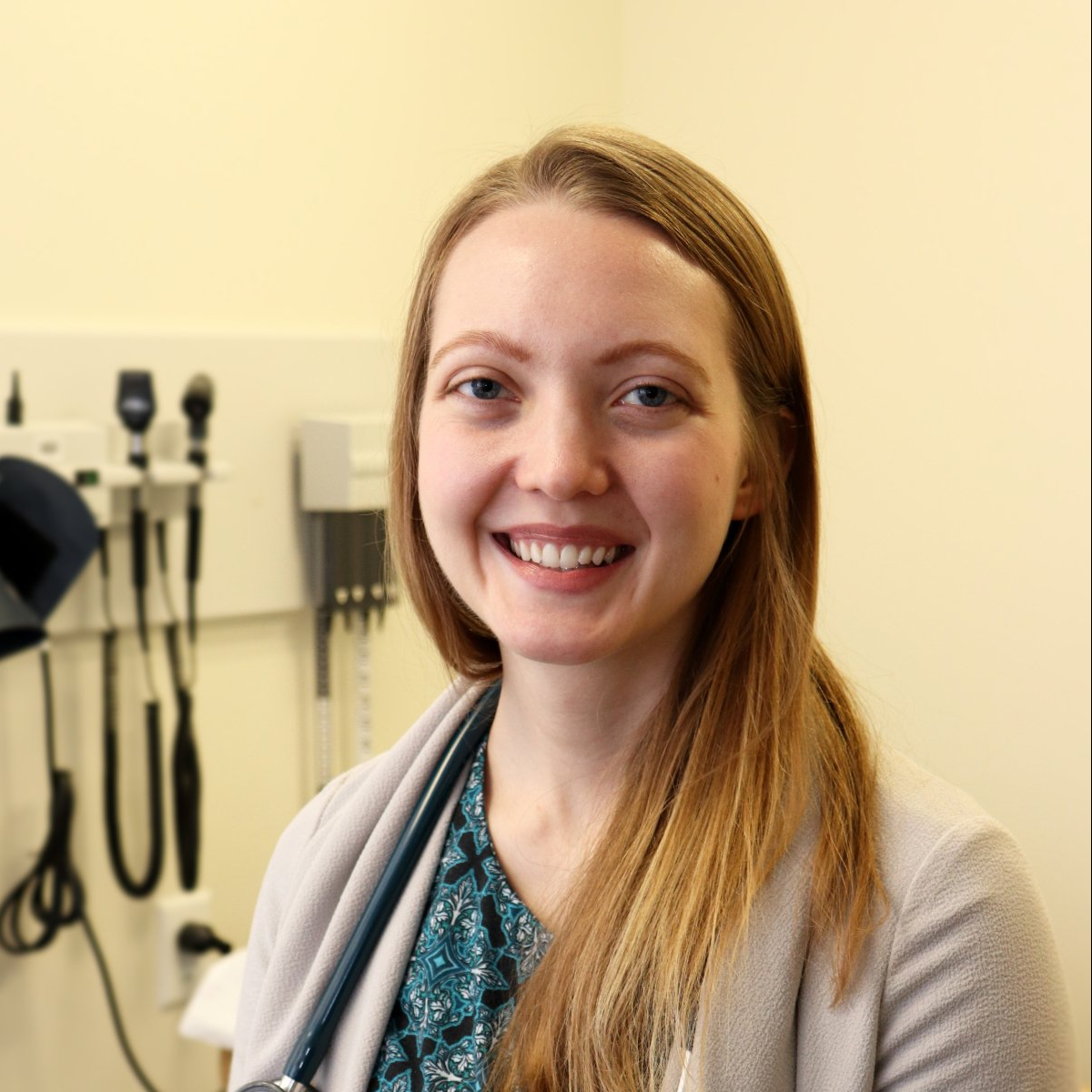
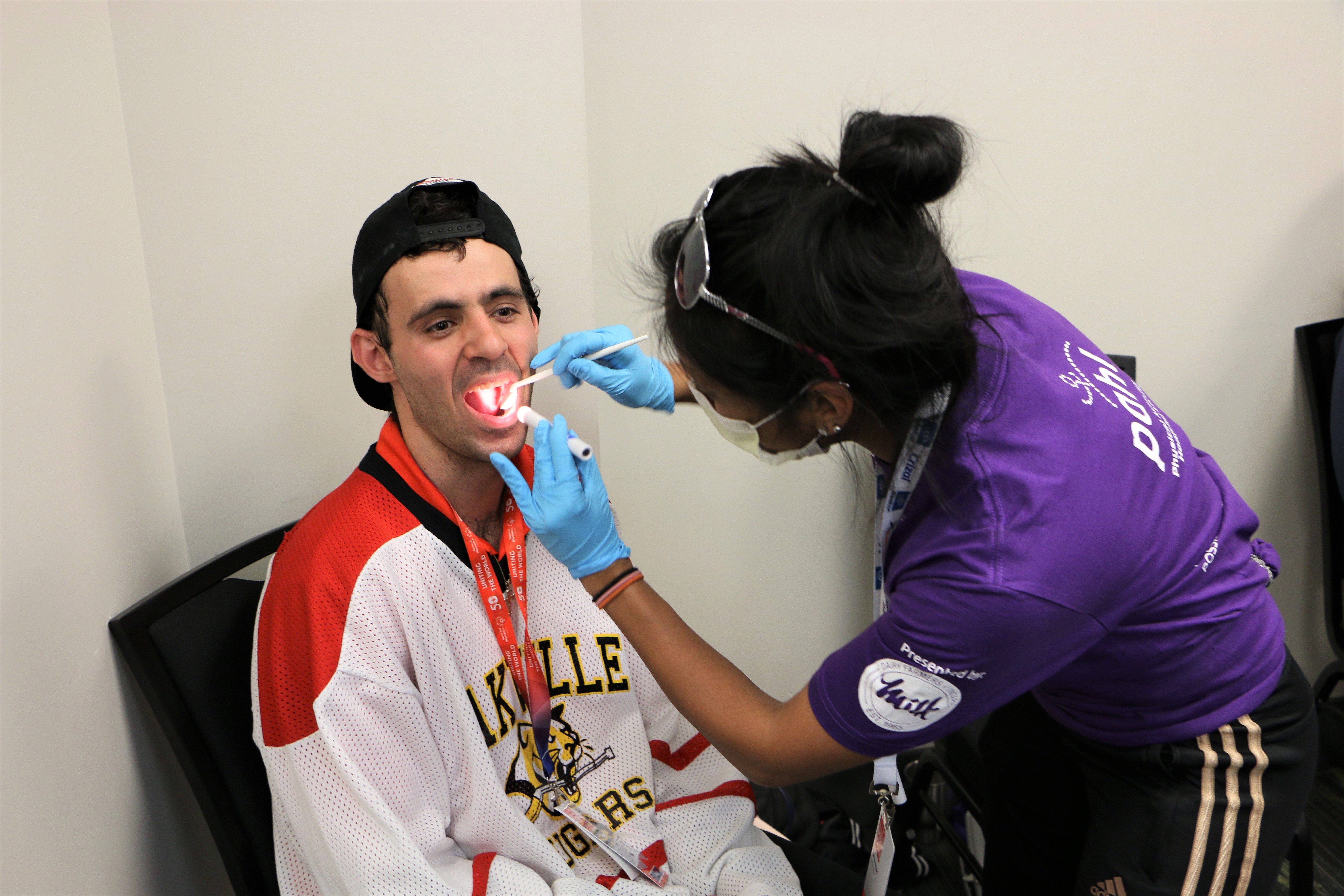
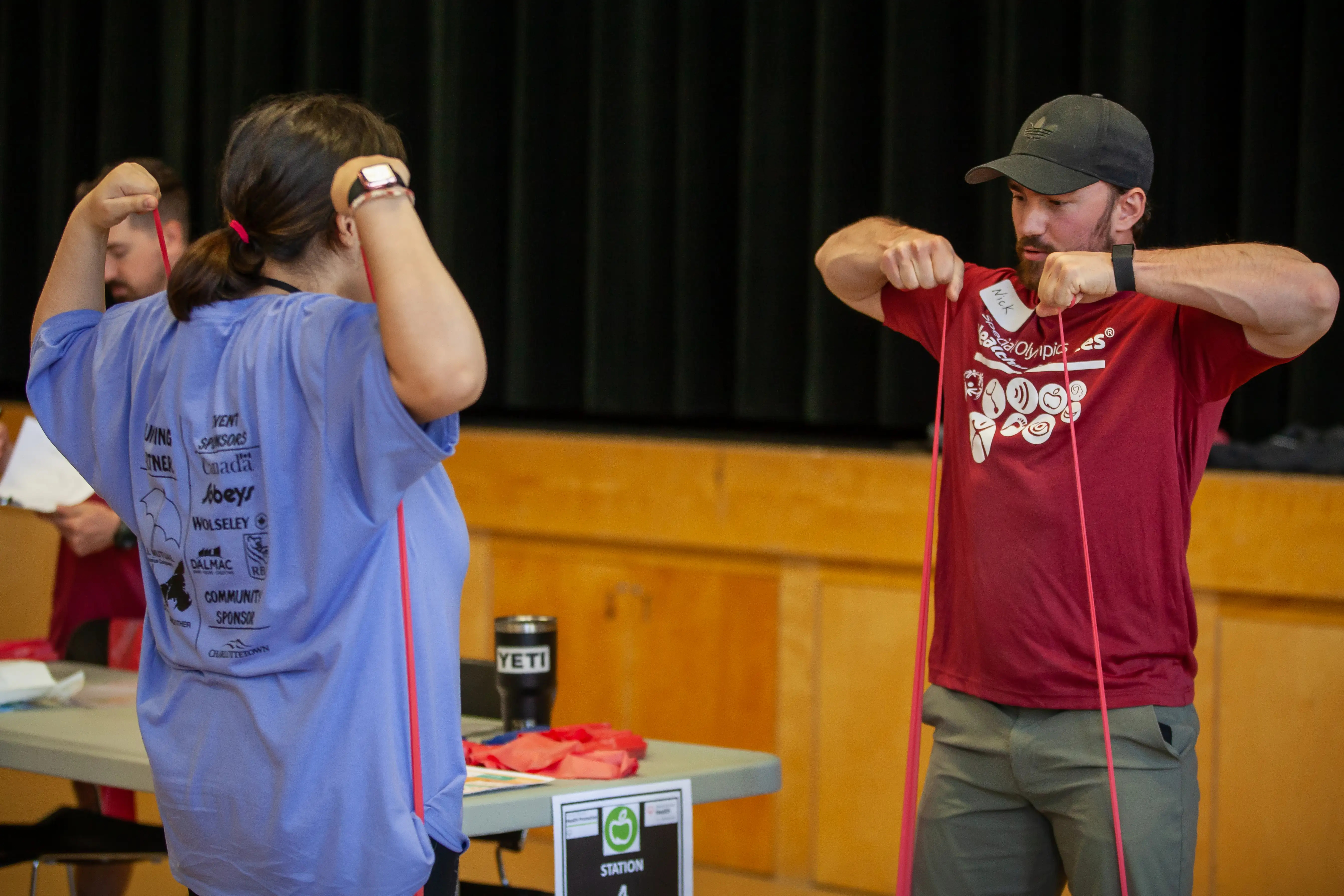
Family doctor and assistant professor at the University of Saskatchewan Alicia Thatcher says Special Olympics Canada’s programming have given her a unique understanding of people with intellectual and developmental disabilities (IDD), that she did not get from medical school. Doctor Alicia said volunteering with Healthy Athletes—to provide screenings at a local Special Olympics tournament—showed her a part of this community that not many healthcare providers are able to witness: one of joy, and pride.
“You can see people in a non-medical environment,” she said,” showing off their medals and their strengths. It’s a much more positive type of environment to be learning about this population, as opposed to seeing someone in a hospital when they’re the most vulnerable and feel the least like themselves”
Now on Special Olympics Canada’s Board of Directors, she has sat at the tables of multiple national and international organizations, each time with the goal of making healthcare more accessible for Canadians with intellectual and developmental disabilities.
My first introduction to the community of people with IDD, was working at Camp Easter Seal in Saskatchewan. For me it was a random summer job initially, but that opened my eyes to something I was very interested in, but didn’t realize before. I knew I couldn’t wait until the next summer to be involved again.

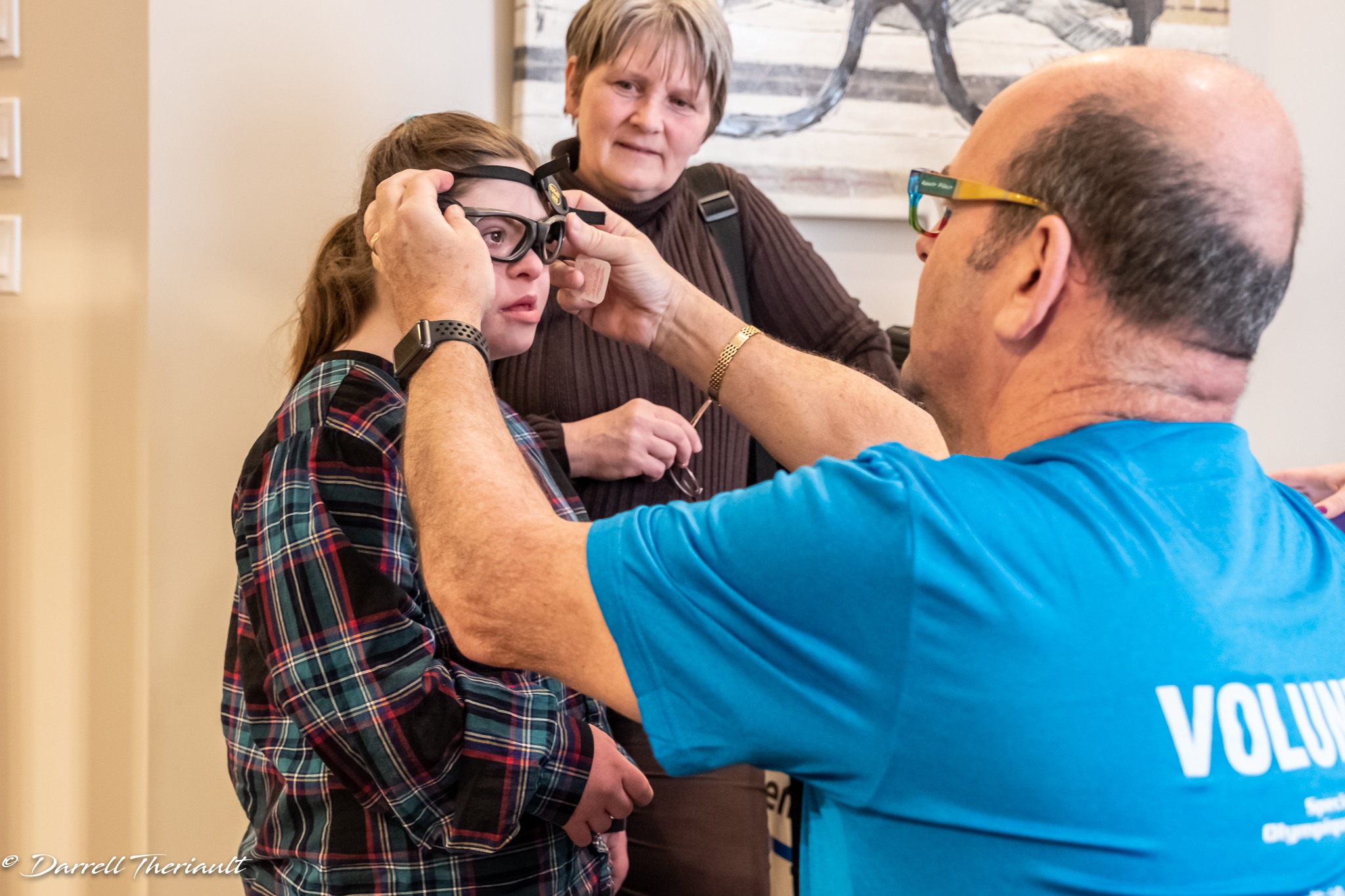
One of the campers she met there also played as goalie on a local Special Olympics floor hockey team, and it sounded like so much fun that Alicia—still in high school at the time—reached out to look for volunteer roles. Over the years, Alicia was given more opportunities to expand her role in Special Olympics, being invited to speak at conferences and join local Boards. She kept volunteering while studying in med school, and finished her training within Special Olympics to become an official Healthy Athlete Clinical Director. After a delay caused by COVID-19, she was able to run her first MedFest event in 2024.
“It went really well,” she said, “I worked with some family medicine residents who organized it as their scholarly assignment for a quality improvement project. Two other family doctors supported the event as well.”
Alicia explained that “residents” are students who already completed their first four years of medical school (and a four year undergraduate degree before that), but need to go through a “residency” before they can independently practice medicine. Residency is essentially an apprenticeship working alongside medical professionals in a real healthcare setting, and Dr. Alicia said residencies in family medicine take the relatively short period of only two years to finish.
“All of the residents we invited chose to participate and described a positive, safe learning environment,” she added, “and the residents that organized it did an amazing job. We received positive feedback from the athletes as well.”
A member of the Special Olympics Canada Board of Directors, Alicia said a big reason why she continued volunteering is because the Healthy Athletes program showed her how many obstacles people with intellectual and developmental disabilities face when it comes to getting healthcare. A lot of those obstacles, Dr. Alicia said, come from the lack of training that Canadian medical professionals are given so that they can properly treat patients with diverse needs.
It became very clear as soon as I got into medical school just how much of a gap there is, particularly as patients age out of pediatric services, I had to seek out my own learning opportunities, it was not part of our curriculum at the time.
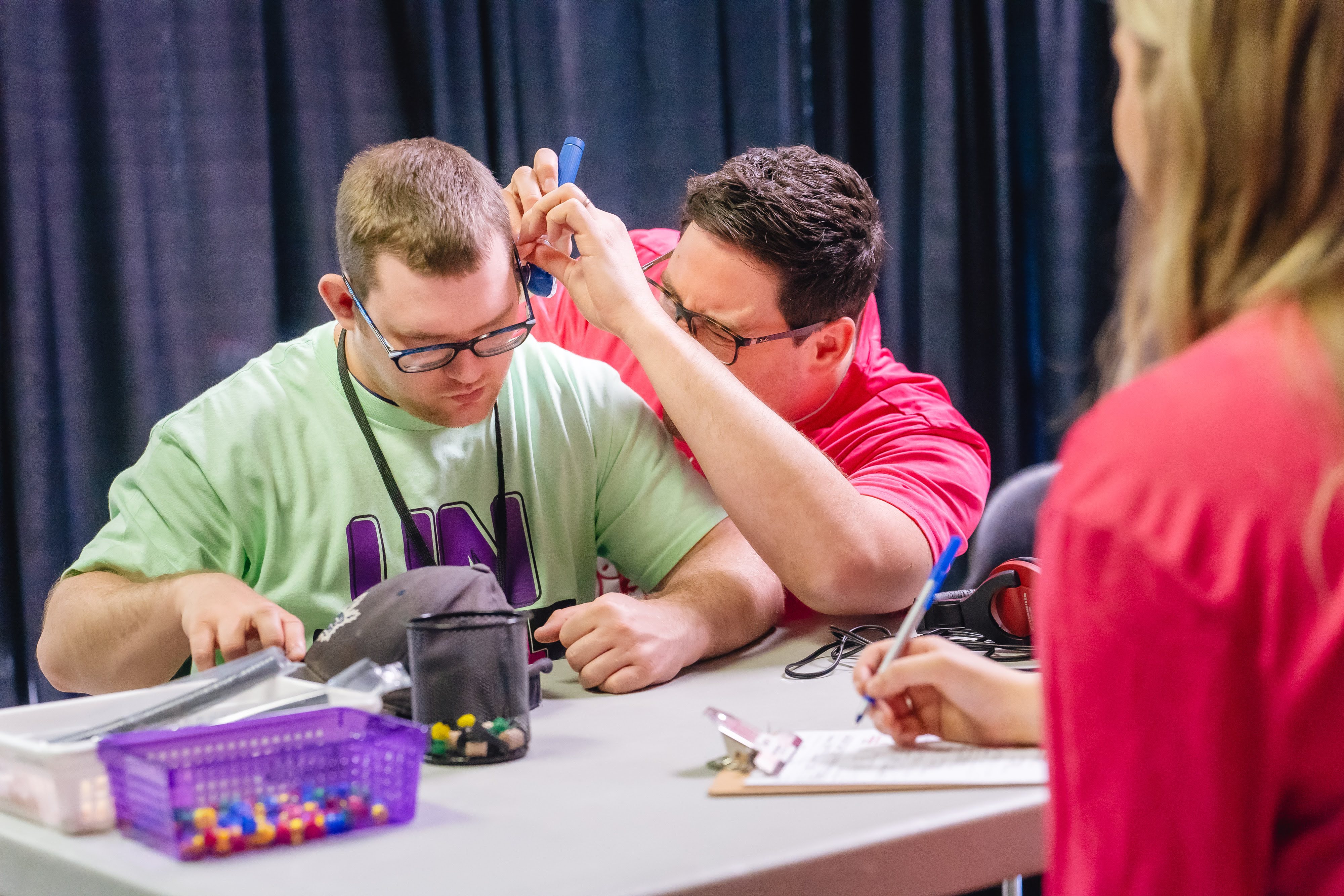
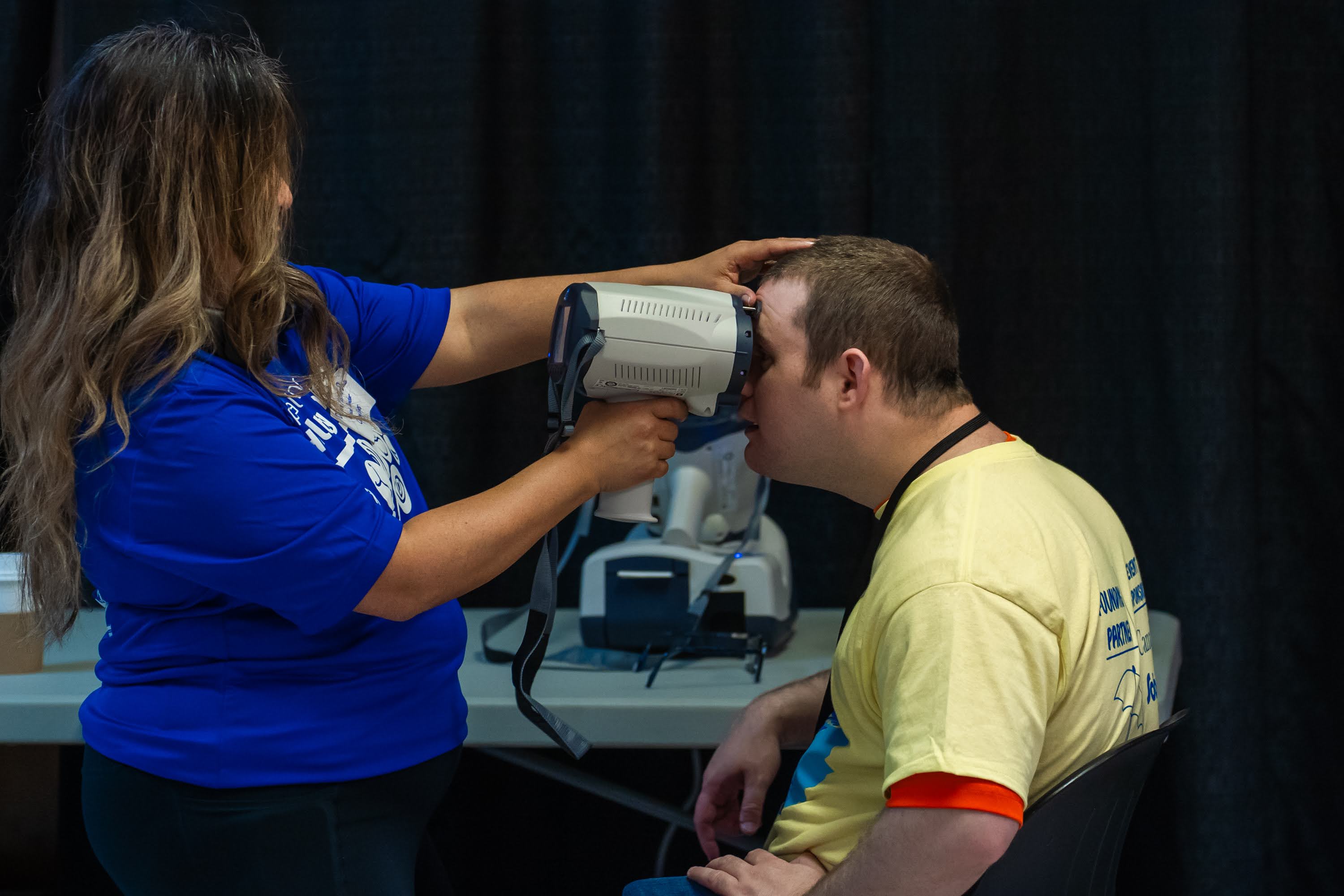
Unfortunately, as anyone studying in med school can attest to, healthcare curriculums are already extremely dense courses, even in comparison to other university or college programs. While new medical students do require more training on patients with IDDs than is currently mandatory, Dr. Alicia said there are a lot of necessary additions to the curriculum, all fighting for a small number of spots.
However, she is advocating for ways to work in more forms of training about IDD into the existing medical school curriculums. Wherever possible, she says students should be learning directly from people with lived experience of IDD who are experts in their own needs and health experience. Dr. Alicia argues that intellectual and developmental disabilities should also be briefly—yet repeatedly—brought up throughout the curriculum when discussing the different aspects of human health that all medical students already must learn. She believes this will keep the existence of IDDs fresh in the minds of young healthcare practitioners, especially when ways of accommodating patients with special needs are regularly shown to them.
“[If we are] learning about cardiac health,” she said as an example, “add something about adapting the physical exam for someone with limited mobility. Or, add something about explaining a patient’s heart health in plain language or with visual aids.”
Again, she believes these routine sprinkles of knowledge about the unique circumstances faced by people with IDDs can help medical students better take care of this population, regardless of what exact field they specialize in.
In a course about gastrointestinal diseases, you could mention the association of celiac disease with Down syndrome, so it’s on everyone’s radar, and the higher rates of constipation and acid reflux among people with IDD. There are different ways of doing it.
For doctors, nurses, and other healthcare providers already working, Dr. Alicia has some advice that she uses in her own practice as well. Generally, she recommends booking longer-than-average appointment times for people who have an IDD, to give them more time to overcome communication barriers. She does change how she speaks to patients regardless of whether they have a disability or not, depending on what she feels they would have the easiest time understanding.
Dr. Alicia gave the examples of a patient who is himself studying medicine, compared to someone who did not finish high school and openly expressed a lack of interest in learning about biology. Even if neither of those patients have a disability, they do have different communication needs when it comes to ensuring they can make an informed, consensual decision about their own health.
Another thing that Dr. Alicia recommends be done differently is have regular preventive check-ups for patients who have an intellectual or developmental disability.
She said that people with IDD often struggle with noticing, communicating about, or finding help for medical issues they have. This means their problems can take a lot longer to get diagnosed, when doctors only find the issue after it has progressed and gotten more severe. While there is limited evidence to support yearly check-ups for everyone, Alicia said going to an accommodating doctor on a regular basis can help people with IDDs get diagnosed for any number of health problems that get worse they longer they go before being treated.